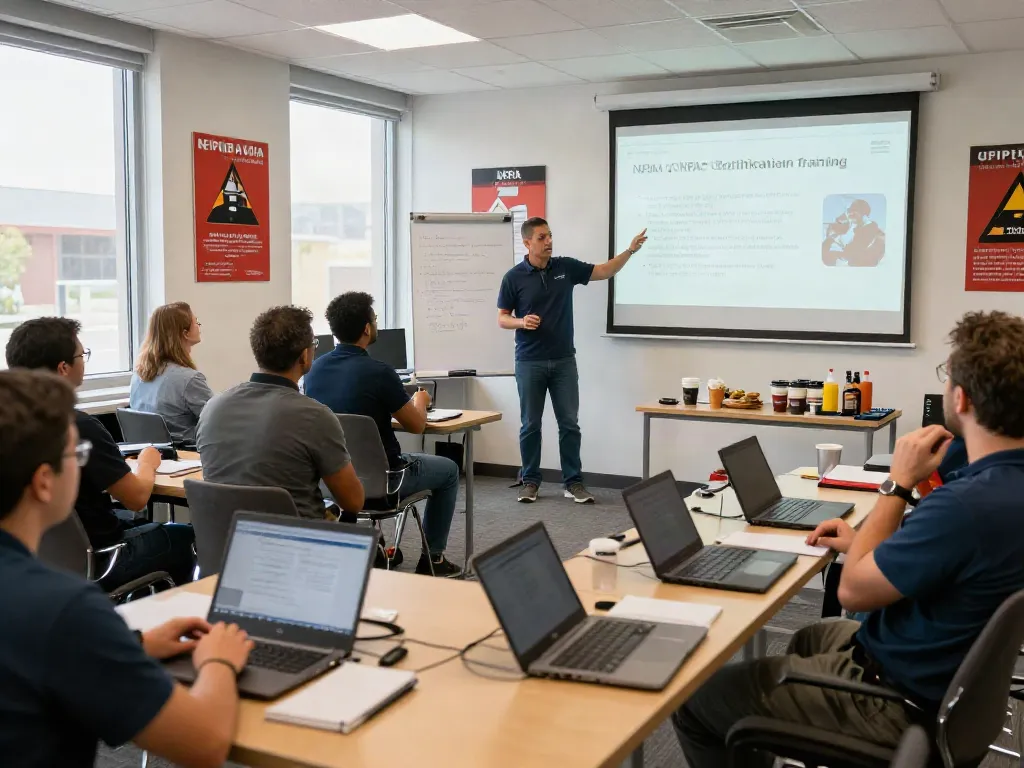
Understanding NFPA Certification Training
The National Fire Protection Association (NFPA) Certification Training has become a cornerstone in establishing and upholding fire safety standards across various industries. This training is invaluable for professionals who aim to enhance their understanding of fire safety regulations, risk management, and emergency response procedures. As a globally recognized authority in fire safety, NFPA has developed a training framework that equips individuals and organizations with the knowledge necessary to mitigate risks and ensure compliance with safety standards.
With an ever-evolving landscape of fire safety challenges, participating in NFPA Certification Training is more crucial than ever. The program not only enriches your technical expertise but also fosters a culture of safety within your organization, thereby saving lives and protecting property.
What is NFPA Certification Training?
NFPA Certification Training encompasses various courses designed to provide knowledge and skills pertinent to fire safety standards. This certification is recognized worldwide and is intended for individuals seeking to validate their expertise in fire prevention, electrical safety, and compliance with national fire codes. The training covers a range of topics, including the latest regulatory updates and technologies in fire safety, ensuring that participants are well-prepared to tackle real-world challenges.
Benefits of NFPA Certification for Professionals
Obtaining NFPA certification offers numerous advantages for professionals in the fire safety domain. Here are some key benefits:
- Enhanced Career Opportunities: NFPA certification is highly regarded and can open doors to more advanced job positions and responsibilities.
- Increased Knowledge and Skills: Through comprehensive training, individuals learn the latest fire safety practices and technologies, directly contributing to their effectiveness in the field.
- Networking Opportunities: Certified professionals join a global network of fire safety experts, creating opportunities for collaboration and professional growth.
- Compliance with Industry Standards: Certification ensures that individuals and organizations conform to the prevailing safety regulations, reducing the risk of legal issues.
Key Concepts Covered in NFPA Courses
NFPA courses cover a wide array of topics essential for fire safety professionals, including:
- Fire Prevention: Understanding fire dynamics, risk factors, and prevention strategies.
- Emergency Response: Training on protocols to follow during fire emergencies, including evacuation procedures.
- Fire Codes and Standards: Familiarization with NFPA codes and standards relevant to various industries.
- Risk Management: Assessing and managing fire risks in different environments, particularly high-risk sectors such as industrial and healthcare.
Choosing the Right NFPA Training Provider
When selecting an NFPA training provider, it's essential to evaluate their credentials, course offerings, and reputation within the industry. Authorized Training Providers like Burraq Consulting not only meet NFPA's stringent standards but also tailor courses to meet the specific needs of organizations and professionals.
Evaluating Authorized Training Providers
To ensure you receive high-quality training, consider the following criteria when evaluating potential NFPA training providers:
- Accreditation: Check if the provider is recognized by NFPA as an Authorized Training Provider.
- Instructor Experience: Look for instructors with practical experience and credentials in fire safety.
- Course Flexibility: Explore options for customized training that fits your organization’s needs, including on-site and online training formats.
- Feedback from Previous Participants: Seek testimonials and reviews to gauge the effectiveness and quality of the training received.
Factors to Consider for Group Training Sessions
Group training sessions can be advantageous for organizations wanting to train multiple employees at once. When planning group sessions, consider:
- Group Size: Ensure that the training provider can accommodate your group size while maintaining engagement and interaction.
- Location: Evaluate if on-site training is suitable or if remote options are preferable for your workforce.
- Customization: Request tailored content that addresses specific scenarios or challenges relevant to your industry.
- Cost-Effectiveness: Often, training multiple employees together reduces costs over individual training sessions.
Customized Training Options for Organizations
Custom training solutions are essential for organizations with unique needs. Providers like Burraq Consulting specialize in developing bespoke courses that align with specific business goals and regulatory requirements.
Custom options typically include:
- Tailored Content: Training materials that reflect your industry's challenges and operational environment.
- Flexible Scheduling: Sessions scheduled at convenient times to minimize disruption to operations.
- Blended Learning: Combination of in-person and online training methods to enhance learning experiences.
Best Practices for NFPA Certification Preparation
Preparing for NFPA certification requires strategic study techniques and resources. Here are some best practices to consider:
Study Techniques for Fire Safety Standards
Effective study techniques can enhance retention and understanding of fire safety standards. Consider the following methods:
- Regular Study Schedule: Establish a routine that allows for consistent study intervals, helping to reinforce learning.
- Utilize Educational Resources: Leverage NFPA publications, online courses, and videos to supplement learning.
- Group Study Sessions: Collaborate with peers to discuss difficult concepts and share insights.
Utilizing Resources and Training Materials
Accessing the right training materials is fundamental for successful certification preparation. Recommended resources include:
- NFPA Handbooks: Comprehensive guides on fire safety codes and standards.
- Online Modules: Interactive courses that enhance understanding through practical examples.
- Sample Questions and Quizzes: Practice questions to familiarize yourself with the exam format.
Mock Exams and Practical Applications
Conducting mock exams can significantly bolster your readiness for certification. By simulating the examination environment, you can:
- Identify Knowledge Gaps: Determine areas where further study is needed.
- Improve Time Management: Practice pacing yourself during the actual certification exam.
- Gain Confidence: Familiarization with the exam format can reduce anxiety on test day.
Real-World Applications of NFPA Certification Training
The practical implications of NFPA certification training are profound, impacting not just individual careers but also organizational safety culture. Real-world applications showcase how certification leads to tangible improvements in safety protocols.
Case Studies on Fire Safety Implementation
Numerous organizations have successfully implemented NFPA training to enhance their fire safety measures. For instance:
- A Manufacturing Facility: After employees were certified, the facility reported a 40% reduction in workplace accidents related to fire hazards.
- A Healthcare Organization: Post-certification, this organization developed a robust fire evacuation plan that significantly reduced response times during fire drills.
Impact on Workplace Safety Culture
NFPA certification instills a culture of safety within organizations that extends beyond compliance. It encourages employees to take active roles in fire prevention and safety initiatives.
- Engagement in Safety Programs: Certified employees are often more inclined to participate in safety committees and initiatives.
- Peer Training: Certified professionals can train their colleagues, multiplying the impact of the training throughout the organization.
Continuous Learning and Professional Development Post-Certification
Fire safety training does not end with certification. Continuous learning ensures that professionals stay updated with the latest standards and practices. Consider the following:
- Renewal Requirements: Stay informed about certification renewal processes to maintain credentials.
- Advanced Courses: Pursue additional NFPA courses or related certifications to further enhance expertise.
- Industry Conferences: Attend workshops and seminars to network and learn about emerging trends and technologies in fire safety.
Future Trends in Fire Safety Training
The landscape of fire safety training is continually evolving. Staying informed about future trends will ensure that professionals remain at the forefront of the industry.
Advancements in NFPA Training Technologies
Technology is radically changing the way fire safety training is delivered and experienced. Expect the following advancements:
- Virtual Reality (VR): Training scenarios simulated in VR can provide more immersive learning experiences.
- Online Learning Platforms: Enhanced online platforms are making it easier to access quality training from diverse locations.
- Mobile Learning Applications: Mobile apps facilitate on-the-go learning, enabling professionals to train wherever they are.
Emerging Regulations and Compliance Standards for 2026
As fire safety regulations evolve, staying compliant requires ongoing education. Future regulations may include:
- Increased Focus on Sustainability: New codes may incorporate sustainable practices in fire safety.
- Enhanced Reporting Requirements: Organizations may be obligated to report on their fire safety measures and drills more transparently.
The Role of NFPA Certifications in Global Safety Practices
Globally, NFPA certifications are becoming essential benchmarks for safety practices across industries. As more organizations adopt these standards, professionals certified by NFPA will be at a competitive advantage in the job market.
FAQs
How do I become NFPA certified?
To become NFPA certified, candidates must complete the required training courses and pass the relevant certification exam. Training providers, like Burraq Consulting, offer structured programs to guide you through this process.
Are NFPA certifications worth it?
Absolutely. NFPA certifications are widely recognized and respected within the fire safety industry, offering significant career advancement opportunities and demonstrating a commitment to safety.
How long does it take to get NFPA certification?
The duration varies by course but typically involves several hours of training followed by the exam. Many providers also offer flexible schedules to accommodate working professionals.
How much does NFPA training cost?
The cost of NFPA training can vary based on the course type and provider. Contact authorized training providers for specific pricing information.
What is the renewal process for NFPA certifications?
Renewal processes typically require ongoing education and re-assessment to ensure that certified professionals remain informed about the latest industry standards and practices.