Understanding Aerospace CNC Machining
CNC machining in the aerospace industry has become a cornerstone for the production of high-precision components, essential for aircraft and spacecraft operations. As the demand for advanced aviation technology increases, so does the need for leading aerospace cnc parts manufacturers who can deliver reliable, accurate, and cost-effective solutions. Since 2003, Honscn has been at the forefront, specializing in professional CNC machining services tailored to meet the specific needs of aerospace clients.
What is CNC Machining in Aerospace?
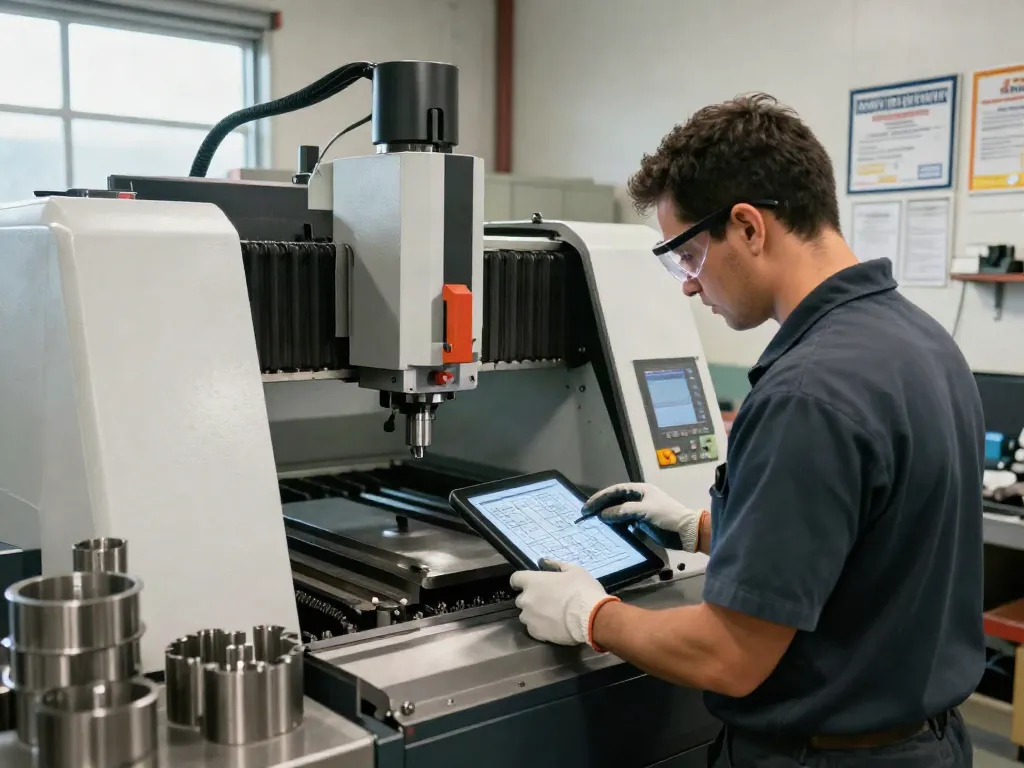
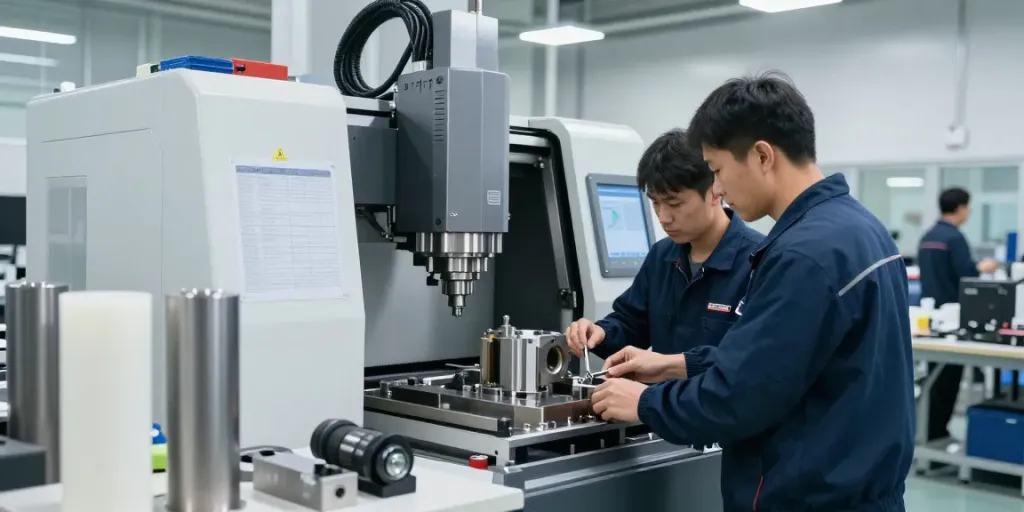
CNC (Computer Numerical Control) machining is a manufacturing process that uses computerized controls to operate and manipulate machine tools. In the context of aerospace, CNC machining is vital for producing components such as engine parts, landing gear, and structural elements that must adhere to strict safety and performance standards. The precision required in aerospace applications makes CNC machinery indispensable, allowing for the intricate designs and tight tolerances that modern aircraft demand.
Key Advantages of CNC Machining for Aerospace Parts
- High Precision: CNC machines can produce parts with tolerances as tight as ±0.001 inches, ensuring that each component fits seamlessly within its assembly.
- Repeatability: Once a CNC program is developed, parts can be manufactured with consistent quality across large production runs.
- Complex Geometries: CNC machining allows for the fabrication of intricate designs that would be difficult or impossible to achieve using traditional manufacturing methods.
- Reduced Lead Times: Thanks to the efficiency of CNC processes, aerospace manufacturers can shorten production cycles, enabling faster delivery of prototypes and final products.
- Material Versatility: CNC machining can be utilized with a wide variety of materials, including metals such as aluminum, titanium, and composite materials.
Common Material Choices for Aerospace CNC Parts
The choice of materials is crucial in aerospace applications, with several metals and plastics commonly used in CNC machining. Here are some of the most frequently employed materials:
- Metals:
- Plastics:
Leading Aerospace CNC Parts Manufacturers in 2026
The landscape of aerospace manufacturing is continuously evolving, with numerous companies striving to lead in CNC machining services. It is essential for companies to adopt innovative practices and technologies to maintain a competitive edge. Understanding the key players in the market can help clients make informed decisions when selecting a CNC partner.
The Market Landscape of CNC Manufacturing
As of 2026, the aerospace sector is witnessing robust growth, primarily driven by advancements in technology and increasing passenger traffic. Major manufacturers, such as Boeing and Airbus, are ramping up their production capacity, which in turn boosts demand for aerospace CNC parts. Emerging companies are also making a name for themselves by specializing in niche markets and advanced materials.
Criteria for Choosing Top Manufacturers
When selecting a leading aerospace CNC parts manufacturer, consider the following criteria:
- Experience and Expertise: Look for manufacturers with a proven track record in aerospace applications.
- Certifications: Ensure the manufacturer complies with industry standards, such as AS9100 and ISO9001.
- Technology and Capabilities: Evaluate their machining capabilities, including the types of CNC machines used and the technology they employ.
- Material Options: A diverse range of material choices is critical for meeting design specifications.
- Lead Times and Production Volume: Ensure they can meet your production timeline and accommodate varying order sizes.
Innovation Trends Among Leading CNC Brands
Leading aerospace CNC manufacturers are investing heavily in innovation to stay ahead. They are focusing on:
- Integrating IoT technology for real-time monitoring of machinery and processes.
- Utilizing advanced CAD/CAM software to enhance design precision and production efficiency.
- Exploring automation solutions to reduce labor costs and increase throughput.
- Adopting sustainable practices to minimize environmental impact, such as recycling scrap materials and reducing energy consumption.
Precision Parts Development Techniques
Developing precision parts in aerospace requires careful planning and strategy. Manufacturers employ various techniques to ensure the highest quality outputs.
Rapid Prototyping vs. Mass Production
Rapid prototyping allows for quick iterations of design concepts, essential for testing and validation in aerospace applications. In contrast, mass production focuses on manufacturing large volumes of identical components. Striking the right balance between these two approaches is crucial for project success.
Best Practices for Ensuring Quality and Accuracy
To achieve superior quality and accuracy in aerospace CNC machining, manufacturers should implement the following best practices:
- Conduct regular machine maintenance to minimize downtime and ensure precision.
- Utilize advanced metrology tools for in-process measurements.
- Implement robust quality control processes, including statistical process control (SPC).
- Train staff continuously to keep skills and knowledge up-to-date.
Case Studies: Successful Aerospace Projects
Examining real-world examples of successful aerospace machining projects can provide valuable insights into best practices. Many leading manufacturers have successfully executed complex projects, demonstrating their capabilities in meeting high standards of quality and efficiency.
Challenges Facing Aerospace CNC Machining
Despite the advancements in CNC machining, several challenges persist. Identifying these issues is the first step toward effective solutions.
Common Obstacles in Manufacturing Processes
Aerospace manufacturers often face hurdles such as:
- Material limitations and availability, which can affect production timelines.
- Technological constraints, where older equipment may not meet the demands of modern designs.
- Regulatory compliance, which can complicate processes and increase costs.
Addressing Supply Chain Issues in Aerospace Production
The complexity of the aerospace supply chain poses a significant challenge. Disaster recovery plans, vendor diversification, and robust inventory management are vital to mitigating risks.
Future-Proofing Against Industry Changes
To remain competitive, aerospace manufacturers must be adaptable. Strategies such as embracing new technologies and focusing on sustainability can help companies thrive amidst industry changes.
Future Trends in Aerospace CNC Manufacturing
Looking ahead, several trends are shaping the future of aerospace CNC manufacturing.
Emerging Technologies Shaping the Industry
Technological advancements such as 3D printing, artificial intelligence, and enhanced automation are revolutionizing aerospace production. These developments promise to streamline processes, improve efficiency, and reduce costs in the coming years.
Predictions for Aerospace Machining in 2026
As we approach 2026, industry analysts predict an increase in demand for lightweight materials and custom parts, necessitating a shift in manufacturing strategies. Companies will need to adapt to these trends to meet evolving customer needs.
How Sustainability is Influencing CNC Part Manufacturing
Sustainability is becoming a critical focus, with manufacturers seeking to reduce waste and energy usage. Implementing green practices not only benefits the environment but also meets consumer demands for eco-friendly products.
What are leading aerospace CNC parts manufacturers doing for innovation?
Leading manufacturers are investing in research and development to create innovative solutions that enhance manufacturing processes and material performance. Collaboration with aerospace engineers and other stakeholders is key to driving these innovations forward.
How do you ensure quality in CNC aerospace components?
Ensuring quality in CNC aerospace components involves rigorous testing and validation protocols, including fatigue testing and non-destructive testing methods. These measures help guarantee that all parts meet safety and performance standards.
What are the benefits of rapid prototyping in aerospace?
Rapid prototyping reduces time to market, allowing manufacturers to test and refine designs quickly. This approach can significantly lower the costs associated with design errors and improve the overall efficiency of the manufacturing process.
How to choose the right CNC manufacturer for aerospace?
When selecting a CNC manufacturer, evaluate their experience, technology, and material capabilities. Additionally, assess their quality control processes and customer testimonials to ensure they align with your specific needs.
What materials are best for aerospace CNC parts?
The best materials for aerospace CNC parts typically include lightweight and high-strength options, such as aluminum and titanium alloys, which provide necessary durability without adding excessive weight.