Understanding Heart Failure and Its Impacts on Patients
Heart failure is a growing concern worldwide, impacting millions of individuals and their families. It occurs when the heart cannot pump blood effectively, resulting in a myriad of health complications. In Abu Dhabi, specialized services like the Heart failure clinic Abu Dhabi offer dedicated care to those affected by this condition. Understanding the nuances of heart failure, its symptoms, and the emotional toll it can take on patients is crucial for improving outcomes and enhancing the quality of life.
What is Heart Failure?
Heart failure, also known as congestive heart failure, is a chronic condition where the heart's muscle is impaired and cannot pump enough blood to meet the body's needs. This can occur due to various factors, including coronary artery disease, high blood pressure, or other underlying health issues. Heart failure can be classified into two main types: systolic heart failure, where the heart cannot contract effectively, and diastolic heart failure, where the heart cannot relax properly.
Common Symptoms and Diagnosis
Patients with heart failure may experience symptoms such as shortness of breath, fatigue, swollen legs or ankles, and rapid or irregular heartbeat. These symptoms often lead them to seek medical attention. Diagnosis of heart failure begins with a thorough medical history review, physical examination, and may include advanced diagnostic techniques like echocardiograms, blood tests, and stress tests to evaluate the heart’s functionality.
The Emotional and Physical Toll on Patients
The impacts of heart failure extend beyond physical symptoms, often leading to emotional distress, anxiety, and depression. Patients may feel overwhelmed by their condition and the lifestyle changes required for management. Support from healthcare providers, family, and community resources is vital in helping them navigate these challenges.
Innovative Approaches at Heart Failure Clinic Abu Dhabi
Cleveland Clinic Abu Dhabi employs numerous innovative approaches to ensure patients with heart failure receive the highest quality of care. The Heart Failure Program combines advanced diagnostic methods with personalized treatment plans designed to address individual patient needs.
Advanced Diagnostic Techniques
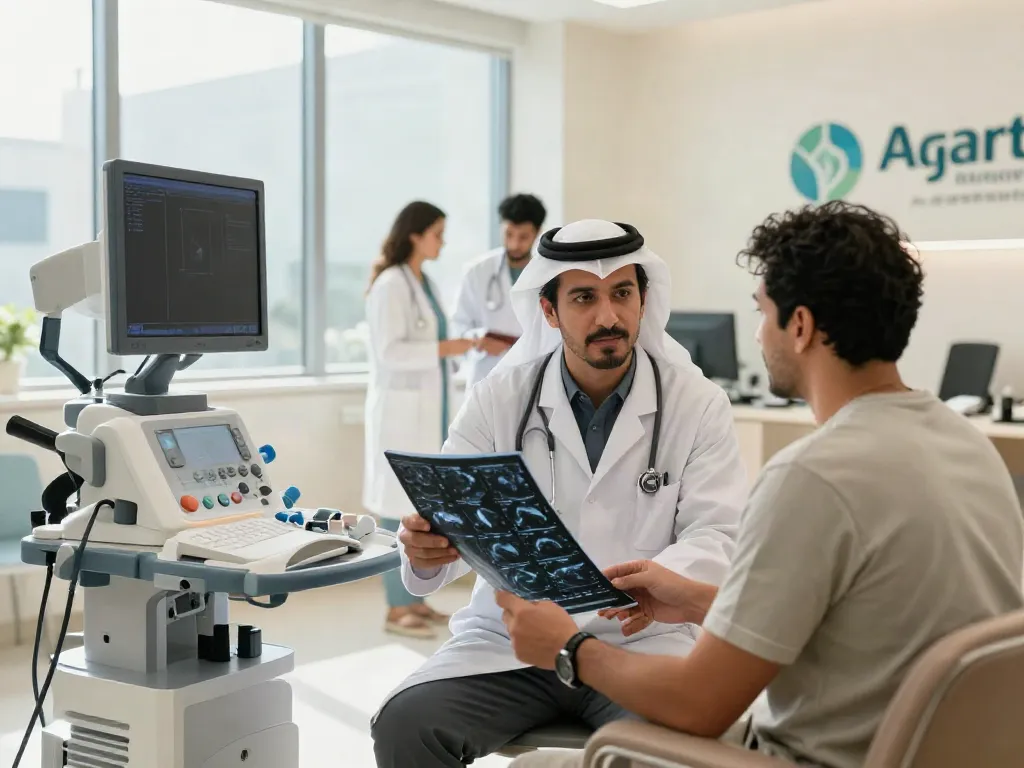
At the Heart Failure Clinic Abu Dhabi, state-of-the-art diagnostic tools are utilized to accurately assess heart conditions. Non-invasive tests, such as echocardiograms and electrocardiograms, provide essential information about heart health. Additionally, advanced imaging techniques like cardiac MRI may be employed to offer a comprehensive view of heart function.
Tailored Treatment Plans for Individual Needs
Each patient's condition is unique, necessitating personalized treatment strategies. The Heart Failure Program develops comprehensive plans that may include lifestyle modifications, medications, and, in some cases, surgical interventions such as heart transplants or implantable devices that assist with heart function. Ongoing monitoring ensures that treatments remain effective and responsive to individual progress.
Integrating Technology in Patient Monitoring
The integration of technology into patient care is a hallmark of modern treatment approaches. Remote heart monitoring devices allow healthcare teams to track patient health in real time, identifying potential issues before they escalate. This proactive approach not only empowers patients but also minimizes hospital visits, contributing to better outcomes.
Patient-Centric Care: Stories of Hope and Recovery
At the heart of Cleveland Clinic Abu Dhabi's Heart Failure Program is a commitment to patient-centric care. The success stories of those who have undergone treatment serve as powerful testimonials to the efficacy of innovative therapies and compassionate support.
Patient Testimonials: Real Experiences
Many patients have shared their remarkable journeys of recovery. For instance, Moussa Abd ElRaihim Elgohary became the first person globally to undergo a groundbreaking surgical procedure at Cleveland Clinic Abu Dhabi, which significantly reduced risks associated with traditional heart surgery. His successful experience not only highlights the advanced technology utilized but also underscores the dedication of the medical team.
Outcomes of Innovative Treatments
Patients like Diana Barreto, who benefited from remote heart monitoring technology, exemplify the positive outcomes associated with innovative treatments. After experiencing an arrhythmic episode during the pandemic, her implanted device alerted her healthcare team, leading to timely intervention and improved management of her condition. Such outcomes demonstrate how advanced care can radically improve patients' lives.
Building a Supportive Community for Patients
The Heart Failure Program fosters a supportive community that encourages patients to share their experiences and learn from one another. Through organized support groups and educational sessions, patients can connect with others facing similar challenges, creating a network of resilience and hope.
Best Practices for Managing Heart Failure
Effective management of heart failure hinges on a collaborative approach involving healthcare providers, patients, and their families. Understanding best practices is essential for maintaining quality of life and optimizing health outcomes.
Lifestyle Changes: Diet and Exercise
Adopting a heart-healthy lifestyle is crucial for managing heart failure. Patients are encouraged to engage in regular physical activity, maintain a balanced diet low in sodium, and monitor their weight. These lifestyle changes can help alleviate symptoms and improve overall heart health.
Medication Management and Adherence
For many patients, medication is a cornerstone of heart failure management. Adhering to prescribed treatment plans is essential to control symptoms and prevent deterioration. Regular follow-ups with healthcare providers ensure that medications are adjusted as needed, maintaining optimal heart function.
When to Seek Immediate Care
Patients should be aware of warning signs necessitating immediate medical intervention, such as severe shortness of breath, chest pain, or sudden weight gain. Recognizing these symptoms and promptly seeking care can be lifesaving and prevent complications.
The Future of Heart Failure Treatment in Abu Dhabi
The landscape of heart failure treatment is evolving, driven by advances in technology and a focus on personalized care. Cleveland Clinic Abu Dhabi is at the forefront of these developments, constantly seeking innovative solutions to enhance patient outcomes.
Emerging Technologies and Techniques
Future treatments will likely see continued integration of wearable technology, artificial intelligence, and telemedicine, enabling more efficient and effective patient management. These innovations promise to create a more responsive healthcare environment.
Predictions for Heart Health in 2026 and Beyond
As healthcare evolves, the prediction for heart health looks promising. With a focus on prevention, early detection, and tailored therapies, it is anticipated that patient outcomes will continue to improve, allowing individuals to lead fulfilling lives despite their heart conditions.
The Role of Remote Monitoring in Patient Care
Remote monitoring will increasingly play a vital role in the management of heart failure. By leveraging technology to track patient health, healthcare teams can provide timely interventions and maintain a high standard of care without the need for frequent hospital visits.
How Can I Improve My Prognosis?
Improving prognosis hinges on proactive management. Patients can enhance their outcomes by adhering to treatment plans, engaging in healthy lifestyle choices, and maintaining regular consultations with their healthcare team. Education about their condition empowers patients to take charge of their health.
What are the Treatment Options Available?
Treatment options for heart failure vary based on severity. They may include lifestyle modifications, medications, surgical interventions, or even heart transplants for end-stage patients. Each approach aims to alleviate symptoms, improve quality of life, and extend longevity.
Is Heart Failure Curable?
Currently, heart failure is considered a chronic condition that can be managed but not completely cured. However, advances in medical science continue to enhance treatment efficacy, allowing many patients to live longer, healthier lives.
Can I Live a Normal Life with Heart Failure?
Many individuals with heart failure lead full and active lives by effectively managing their condition. With proper care, lifestyle changes, and support from healthcare teams, patients can achieve a good quality of life.