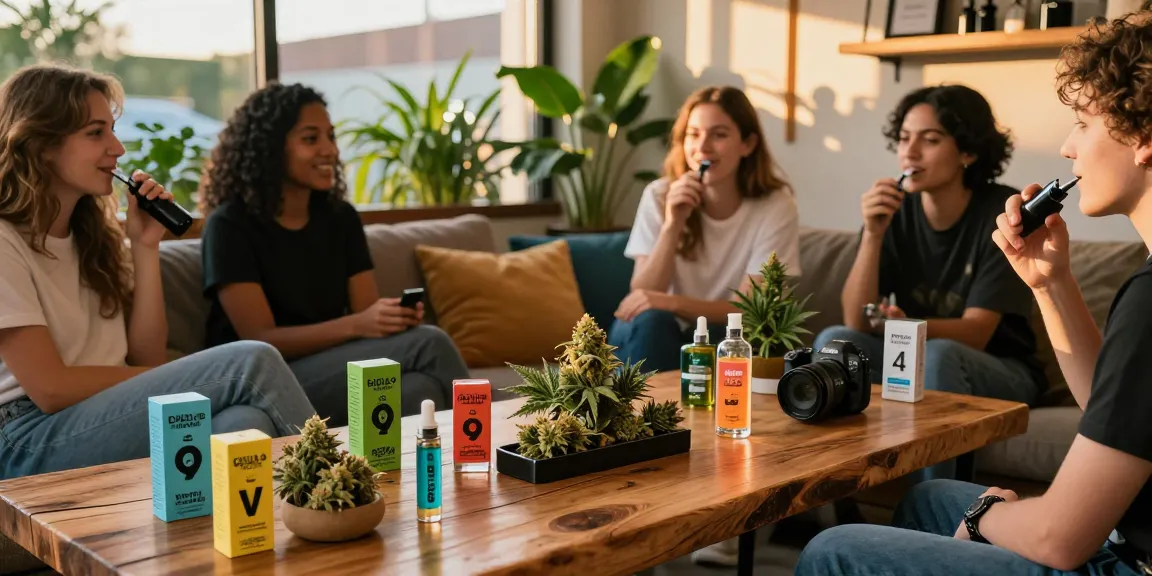
Understanding CBD vs THC
The cannabis industry has made significant strides over the last decade, bringing to light a plethora of products that cater to various consumer preferences. Among the most talked-about compounds found in cannabis are CBD (cannabidiol) and THC (tetrahydrocannabinol). These two cannabinoids serve different purposes and have distinct effects on the body, making their understanding crucial for anyone looking to explore cannabis products. When exploring options, cbd vs thc provides comprehensive insights that can help users make informed decisions.
What are CBD and THC?
CBD and THC are both cannabinoids derived from the cannabis plant. While THC is the psychoactive compound responsible for the "high" associated with marijuana use, CBD is non-psychoactive and has gained popularity for its potential therapeutic benefits without the intoxicating effects. Both compounds interact with the body's endocannabinoid system, influencing various physiological functions such as pain, mood, appetite, and memory. Understanding the fundamental differences between CBD and THC can help consumers select products that align with their wellness goals.
Comparative Effects on Health and Wellness
When it comes to health and wellness, the effects of CBD and THC differ significantly. CBD is often lauded for its potential anti-inflammatory, anxiolytic, and neuroprotective properties. Users report benefits such as reduced anxiety, improved sleep, and relief from chronic pain. In contrast, THC is frequently used for its ability to heighten senses and induce euphoria, but it can also lead to increased heart rate and temporary cognitive impairment, which may not be suitable for everyone. For some individuals, the combination of both cannabinoids can enhance therapeutic outcomes, creating a synergistic effect known as the "entourage effect."
Legal Status and Regulations in 2026
As of 2026, the legal landscape surrounding CBD and THC continues to evolve. In the United States, CBD derived from hemp (containing less than 0.3% THC) is legal at the federal level, while THC remains a controlled substance in many states. Various states have enacted legislation to allow for the medical and recreational use of cannabis, leading to disparities in accessibility and regulation. Consumers must stay informed about local laws governing cannabis products to ensure compliance and safe use.
Premium Cannabis Products Overview
The market for cannabis products has diversified, offering a wide range of options from flower to vape devices. Understanding the different types available can help consumers choose products that best suit their preferences and needs.
Types of Cannabis Flower: An In-Depth Look
Cannabis flower comes in various strains, each with unique profiles of cannabinoids and terpenes, contributing to their flavor, aroma, and effects. Popular strain categories include:
- Indica: Known for its calming and sedative effects, often used for relaxation and sleep aid.
- Sativa: Typically energizing and uplifting, making it popular for social activities and creative endeavors.
- Hybrid: A combination of both indica and sativa strains, offering a balanced experience.
Each strain's potency can vary, usually measured in THC and CBD content, and is crucial for consumers to understand when selecting their desired flower.
Exploring Vape Devices: Delta 9 V4 and More
Vaping has emerged as a popular method for consuming cannabis due to its convenience and perceived reduced health risks compared to traditional smoking. Devices like the Delta 9 V4 provide an all-in-one experience, allowing users to enjoy the full flavors and effects of cannabis without combustion. The Boutiq Series, for instance, offers an innovative dual-flavor fusion that enhances the vaping experience, catering to diverse consumer preferences.
Quality Standards and Testing Procedures
Quality assurance is paramount in the cannabis industry, particularly as the market expands. Reputable brands adhere to rigorous testing standards to ensure their products are free from harmful substances. This includes:
- Triple-laboratory testing: Each batch undergoes close scrutiny for potency, contaminants, and residual solvents.
- Transparency: Publicly available Certificates of Analysis (COAs) allow consumers to verify product quality.
- Sustainable sourcing: Ethically cultivated cannabis ensures both the environment and consumer health are prioritized.
With increasing demand for premium products, consumers should seek brands that prioritize rigorous testing and sustainable practices.
Choosing the Right Products for You
With a multitude of cannabis products available, making the right choice is essential. Understanding personal preferences and specific needs will guide this decision-making process.
Factors to Consider: Potency, Strain, and Usage
When choosing cannabis products, consider factors such as potency, strain profile, and intended use. Potency refers to the concentration of THC and CBD in a product, influencing its effects. Strain selection is equally important, as different strains can evoke various responses. For instance, individuals seeking relaxation may prefer indica strains, while those wanting energy might opt for sativa. Lastly, consider how you plan to use cannabis—whether for social occasions, relaxation, or therapeutic purposes.
Understanding Product Labels: What to Look For
Reading and interpreting product labels is crucial for consumers. Important information to pay attention to includes:
- THC and CBD levels: Ensure the potency aligns with your desired experience.
- Batch information: Verify the product's batch number for traceability.
- Ingredients: Check for additives and ensure the product is free from harmful substances.
Transparency in product labeling helps build trust and ensures consumers feel confident in their purchases.
Common Misconceptions about Cannabis Products
Many misconceptions persist regarding cannabis use, including beliefs about its safety, legality, and effects. Addressing these myths is essential for consumer education. Some common myths include:
- All cannabis products will get you "high"—not true, especially for CBD products.
- Cannabis is always illegal—many regions have legalized its use for medical and recreational purposes.
- More THC always means better effects—individual tolerance varies, and more isn't always better.
Dispelling these myths can empower consumers to make informed decisions about their cannabis use.
Best Practices for Consumption
Understanding how to consume cannabis safely and effectively enhances the overall experience and minimizes potential side effects.
Safe Vaping: Tips for Beginners
For those new to vaping cannabis, here are some tips to ensure a safe and enjoyable experience:
- Start low, go slow: Begin with a low dosage and gradually increase as you become familiar with the effects.
- Choose reputable brands: Select products with clear labeling and established quality standards.
- Stay hydrated: Vaping can lead to dryness; drinking water can mitigate this effect.
Following these guidelines can help beginners navigate the world of cannabis vaping with confidence.
Integrating Cannabis into Your Wellness Routine
Incorporating cannabis into a wellness routine can enhance physical and mental well-being. Consider the following strategies:
- Mindful consumption: Pay attention to how different strains and methods affect your mood and body.
- Combine with other wellness practices: Integrate cannabis with yoga, meditation, or mindfulness for a holistic approach.
- Create a routine: Establish regular times for consumption to make it a part of your self-care ritual.
This integration can foster a deeper connection to wellness and self-care practices.
Managing Potential Side Effects
Like any substance, cannabis can have side effects. Common experiences include dry mouth, dizziness, or increased heart rate. To manage these effects:
- Stay informed: Understanding potential side effects can prepare you for your experience.
- Limit dosage: Consuming smaller amounts can minimize negative reactions.
- Know your limits: Pay attention to your body's responses and adjust usage accordingly.
Being proactive can enhance safety and enjoyment during cannabis use.
Future Trends in the Cannabis Industry
The cannabis industry is rapidly evolving, with emerging trends likely to shape its future landscape. Staying informed about these trends can help consumers and businesses alike adapt to changes in the market.
Technological Advancements in Product Development
Technology plays a pivotal role in advancing cannabis product development. Innovations may include:
- Advanced extraction methods: Techniques like supercritical CO2 extraction can improve purity and yield.
- Customized products: Tailored formulations to address specific health needs are on the rise.
- Smart devices: Integration of technology into vaporizers for personalized experiences.
Keeping an eye on technological advancements can ensure that consumers access the highest quality products available.
Sustainability in Cannabis Sourcing
As consumers become more environmentally conscious, sustainability in sourcing cannabis products is gaining importance. Brands that prioritize sustainable farming practices, organic cultivation, and eco-friendly packaging are more likely to resonate with today's consumers. This demand for greener practices can drive innovation and create a more responsible industry.
Predictions for Consumer Preferences by 2026
By 2026, consumer preferences are expected to shift towards transparency and quality. Increased awareness about health and wellness will spur demand for products that emphasize organic ingredients and rigorous testing standards. Additionally, as more consumers become educated about the differences between CBD and THC, tailored products catering to specific needs will likely gain traction, enabling a more personalized cannabis experience.
What is the difference between CBD and THC?
CBD is a non-psychoactive cannabinoid known for its therapeutic benefits, while THC is the psychoactive compound that creates a high. Each cannabinoid offers unique effects and benefits, making understanding their differences essential for informed consumption.
How do I choose the right cannabis product?
To choose the right cannabis product, consider factors such as potency, strain type, intended use, and product quality. Assess your personal needs and preferences to make an informed choice.
Are there side effects associated with cannabis use?
Yes, cannabis use can lead to side effects such as dry mouth, dizziness, fatigue, and changes in appetite. It's essential to be aware of these effects and consume responsibly.
What is the importance of product testing?
Product testing ensures that cannabis products are safe, effective, and free from harmful contaminants. It builds consumer trust and contributes to overall product quality.
What trends should we watch in the cannabis industry?
Emerging trends include technological advancements in product development, sustainability in sourcing, and evolving consumer preferences towards transparency and customization.