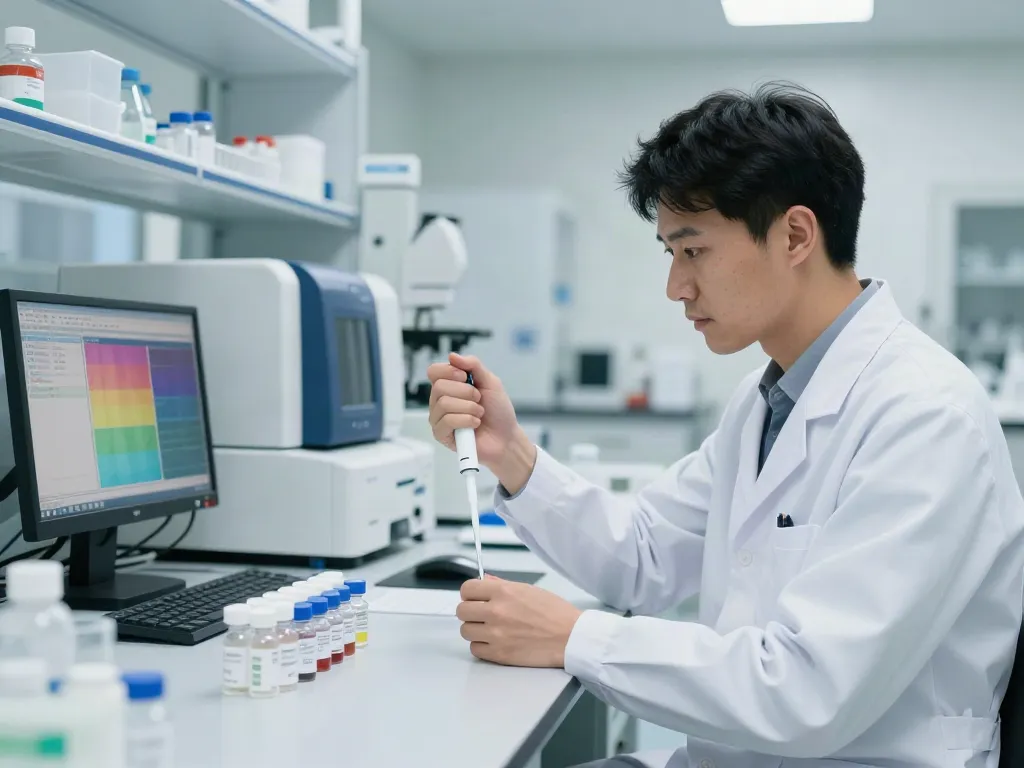
The Importance of Quality in Thymosin Alpha-1 Research
When it comes to conducting research with peptides, the importance of quality cannot be overstated. Thymosin Alpha-1 (TA1) is a potent peptide with a variety of applications in immunology and cell research. Its effectiveness is heavily influenced by its purity and reliability, making it crucial for researchers to select a supplier that adheres to rigorous quality standards. For those looking for reliable sources, Thymosin Alpha-1 for sale from reputable laboratories can provide the assurance needed for valid experimental outcomes.
Understanding Peptide Purity Standards
Peptide purity is a critical parameter in research, particularly when dealing with Thymosin Alpha-1. Typically, research-grade peptides must meet a purity level of 95% or higher. Impurities can lead to inconsistent results, affecting the reliability of experimental data. Factors contributing to purity include the synthesis process, storage conditions, and handling practices. Therefore, when sourcing Thymosin Alpha-1, it is essential to verify that it possesses documented purity levels, ideally supported by independent third-party laboratory testing.
How Thymosin Alpha-1 is Tested for Quality
Thymosin Alpha-1 undergoes a series of stringent tests to confirm its quality. High-Performance Liquid Chromatography (HPLC) is commonly utilized to assess its identity, concentration, and purity. Additionally, endotoxin screening ensures that the peptide is free from contamination that could impact its function. Manufacturers should provide Certificates of Analysis (COA) for each batch, making it easy for researchers to confirm the quality of the product they are acquiring.
Common Misconceptions About Research-Grade Peptides
One prevalent misconception is that all peptides marketed for research are of equal quality. However, the reality is that significant variability exists among suppliers. Many products may contain fillers or degradation products that can skew research results. Educating oneself about the quality frameworks and rigor of testing methods helps to dispel these myths and empowers researchers to make informed purchasing decisions.
Buying Thymosin Alpha-1: What Researchers Need to Know
When considering the purchase of Thymosin Alpha-1, researchers must navigate through a plethora of options with varied quality and pricing. Understanding the nuances of buying this peptide can save both time and resources. It is advisable to look for vendors who emphasize transparency in testing and provide extensive documentation for their products.
Identifying Reputable Suppliers
Reputable suppliers stand out by their commitment to quality. They offer third-party testing and accessible Certificates of Analysis that validate their claims. When sourcing Thymosin Alpha-1, researchers should seek suppliers who maintain transparency in their processes and have established a positive reputation within the research community.
Understanding Certificates of Analysis (COA)
A Certificate of Analysis (COA) is an essential document that provides detailed information regarding the specifications of a peptide batch. It includes data on purity levels, concentration, and test results from third-party laboratories. A COA serves as a crucial tool for researchers to verify that they are obtaining a peptide that meets the necessary quality standards for their research projects.
Comparing Prices: Value vs. Cost
When evaluating the price of Thymosin Alpha-1, it is important to consider the value being provided rather than solely focusing on the cost. Higher prices do not always equate to higher quality. Instead, researchers should weigh factors such as purity, testing rigor, and supplier reputation to ensure they are making a wise investment in their research materials.
Utilizing Thymosin Alpha-1 in Laboratory Research
Thymosin Alpha-1 has gained considerable attention in the scientific community for its potential applications in immune modulation and cell signaling studies. Understanding how to effectively utilize this peptide in research settings is crucial for achieving reliable results.
Applications in Immunology and Cell Studies
Thymosin Alpha-1 plays a significant role in immunological research, as it is known to enhance T-cell responses and promote immune system balance. Studies have shown its effectiveness in reducing inflammation and enhancing cellular resilience, which can be critical in various disease models. Researchers have reported success by incorporating TA1 in studies focused on autoimmune diseases, cancer therapies, and viral infections.
Case Studies on Thymosin Alpha-1 Effectiveness
Several case studies have illustrated the effectiveness of Thymosin Alpha-1 in laboratory settings. For instance, clinical trials have demonstrated its positive effects on T-cell activation in patients undergoing treatment for certain cancers. Another study highlighted its role in mitigating the adverse effects of chemotherapy on immune function. These examples reinforce the significance of using high-quality Thymosin Alpha-1 from reputable sources to achieve reliable outcomes.
Best Practices for Handling Peptides
Proper handling of peptides like Thymosin Alpha-1 is essential to maintain their integrity. Here are some best practices to consider:
- Store peptides in a cool, dry place, ideally at -20°C.
- Avoid repeated freeze-thaw cycles by aliquoting into smaller vials.
- Handle with gloves to prevent contamination.
- Use sterile techniques when reconstituting peptides for experiments.
Future Trends in Peptide Research and Usage
As research in the field of peptides continues to evolve, several trends are emerging that may influence the future landscape of Thymosin Alpha-1 research.
Innovations in Peptide Synthesis and Testing
Recent advancements in peptide synthesis methods, such as automated synthesizers and improved purification techniques, are paving the way for higher quality peptides. These innovations can lead to more consistent batch production and enhanced reliability in research findings. Additionally, new analytical methods for testing, such as mass spectrometry, are becoming more accessible, allowing for better quality assurance in peptide products.
Regulatory Changes Impacting Research Chemicals
As awareness of peptide research grows, regulatory bodies are beginning to implement stricter standards for research chemicals. Researchers must stay informed about these changes to ensure compliance and secure access to high-quality compounds. Adapting to these regulations is crucial for maintaining research integrity.
Emerging Research Areas Involving Thymosin Alpha-1
Future research using Thymosin Alpha-1 is likely to expand into new therapeutic areas, including regenerative medicine and chronic disease management. Studies exploring its role in vaccine development, particularly in enhancing immune responses, are gaining traction. These emerging areas hold great promise for maximizing the potential of Thymosin Alpha-1 in scientific inquiry.
Frequently Asked Questions About Thymosin Alpha-1
Answering common inquiries about Thymosin Alpha-1 can further educate researchers and assist in informed decision-making.
Do you need a prescription for Thymosin Alpha-1?
No, Thymosin Alpha-1 is available for research purposes and does not require a prescription. However, it is intended strictly for laboratory use and should not be administered to humans or animals.
Where can I buy Thymosin Alpha-1 peptide?
Thymosin Alpha-1 can be purchased from various suppliers specializing in research peptides. It is crucial to select a reputable source that provides thorough testing documentation and quality assurance.
Does Thymosin Alpha-1 really work?
Research indicates that Thymosin Alpha-1 has significant effects on immune function and cellular resilience. Numerous studies support its efficacy in enhancing T-cell responses and managing immune-related conditions.
Is TB 500 the same as Thymosin Alpha-1?
No, TB 500 (Thymosin Beta-4) and Thymosin Alpha-1 are distinct peptides with different roles and mechanisms of action within the body. While both are derived from thymus glands, they serve different functions in cellular processes.
How is Thymosin Alpha-1 used in research?
Thymosin Alpha-1 is primarily utilized in immunology and cell studies to investigate its effects on immune modulation, inflammation reduction, and T-cell activation. Its applications span various research areas, including oncology, infectious diseases, and regenerative medicine.