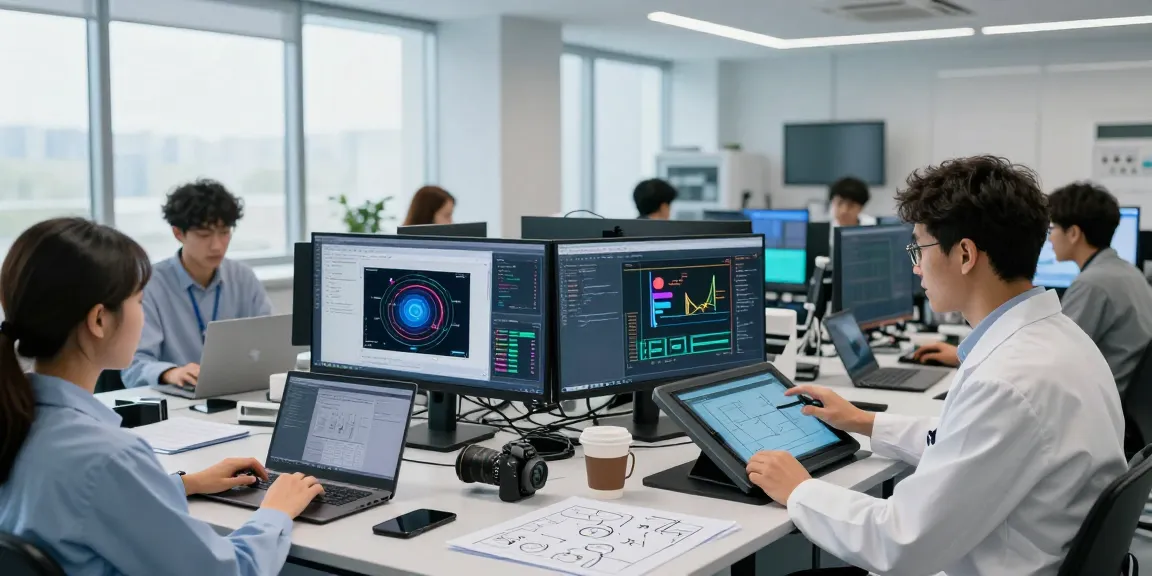
The Evolution of AI-Generated Image Detection Technologies
As the landscape of digital media continues to evolve, the significance of detecting AI-generated images has never been more critical. These images, created through sophisticated algorithms, have transformed how we perceive visual content. The roots of AI-generated image detection date back to the early experiments in computer vision, where the ambition was to imbue machines with the capability to recognize and interpret images. Today, the advent of deep learning and neural networks has revolutionized this field, allowing for the creation of tools that can effectively discern the authenticity of visual media. For those looking to understand more about the current technologies in this domain, AI-Generated Image Detection offers extensive resources.
Historical Development of AI Image Detection Methods
The journey of AI image detection began with basic pattern recognition algorithms in the 1980s. These early systems relied on simple pixel-based analysis, which limited their effectiveness. As computational power increased, so did the complexity of detection methods. The introduction of machine learning in the 1990s marked a significant turning point, allowing for improved feature extraction from images. With the rise of deep learning in the 2010s, researchers developed convolutional neural networks (CNNs) that could learn from vast datasets, enabling them to accurately differentiate between AI-generated and real images.
Key Technological Advancements in 2026
By 2026, advancements in AI-generated image detection have reached unprecedented levels. Techniques such as generative adversarial networks (GANs) are now commonly used not only to create images but also to train detection systems. These networks consist of two models: the generator, which creates realistic images, and the discriminator, which evaluates them. This iterative process has significantly enhanced the capability of detection tools to spot subtle inconsistencies that may indicate an image's synthetic origin. Moreover, the application of transfer learning has allowed detectors to be trained on smaller, specialized datasets, facilitating faster and more efficient deployment across various platforms.
Comparative Analysis of Current AI Detection Tools
As the market for AI detection tools expands, users are presented with a plethora of options, each boasting unique features and capabilities. Tools such as Sightengine, ZeroGPT, and WasItAI have emerged as frontrunners, offering diverse functionalities ranging from image verification to deepfake detection. Sightengine, for example, excels in flagging deepfakes, while ZeroGPT specializes in analyzing images from popular AI models. A comparative approach to evaluating these tools is essential for organizations aiming to safeguard their content against misinformation and manipulation.
The Impact of AI-Generated Images on Digital Media
The rise of AI-generated images is reshaping digital media, posing both challenges and opportunities. As these images become increasingly indistinguishable from real photographs, understanding their impact on content authenticity is crucial.
Understanding the Rise of Synthetic Media
Synthetic media refers to content generated by artificial intelligence, encompassing images, videos, and even written text. As the technology behind AI image generation continues to mature, so does its accessibility. Platforms equipped with AI tools allow users to produce high-quality images in minutes, leading to an explosion of synthetic content online. This democratization of image creation raises vital questions about authorship, ownership, and the implications for traditional media.
The Effects on Content Authenticity and Trust
With the proliferation of AI-generated images, maintaining content authenticity is increasingly challenging. Viewers may struggle to discern real from fake, which can erode trust in digital media. Reports have indicated that the prevalence of manipulated images influences public perception and can lead to misinformation. As organizations grapple with these realities, they must prioritize transparency and utilize AI detection tools to uphold the credibility of their digital assets.
Challenges Faced by Creators and Consumers
Both content creators and consumers face a myriad of challenges in the age of AI-generated images. Creators must navigate a landscape where their work can be easily replicated or altered by AI tools. This raises concerns over copyright infringement and the dilution of original content. For consumers, the challenge lies in identifying genuine content amidst a sea of synthetic images. The reliance on AI detection tools becomes essential to ensure the integrity of their digital experiences.
Best Practices for Implementing AI Image Detection
Integrating AI image detection into digital workflows is critical for businesses and content creators. Here are some best practices to consider.
Step-by-Step Guide to Using Detection Tools
1. Identify Your Requirements: Determine the specific needs of your project—whether it's detecting deepfakes, identifying AI-generated images, or ensuring the authenticity of visual content.
2. Select the Right Tool: Research available detection tools based on their capabilities, accuracy rates, and user reviews. Consider free options for initial tests.
3. Integrate the Tool into Your Workflow: Ensure that the detection tool can seamlessly fit into your existing workflows to minimize disruption. Training team members on its usage can enhance efficiency.
4. Continuous Monitoring and Feedback: Regularly evaluate the performance of the detection tool and gather feedback. This practice helps in fine-tuning the processes and adapting to the evolving landscape of AI image generation.
Integrating AI Detection into Existing Workflows
Incorporating AI detection tools into operational workflows requires strategic planning. Organizations should aim to create a framework where detection processes are embedded at various stages—from content creation to publication. Regular training sessions can also ensure staff remains updated on the latest detection technologies and methodologies.
Real-World Examples of Successful Implementations
Companies like Reuters and the Associated Press have begun integrating AI image detection tools into their editorial processes. By implementing these technologies, they can verify the authenticity of images before publication, safeguarding their reputation and maintaining viewer trust. Such proactive measures illustrate the necessity of adopting cutting-edge solutions in the fight against misinformation.
Measuring the Effectiveness of AI-Generated Image Detection
Evaluating the effectiveness of AI-generated image detection is crucial for ensuring that these tools fulfill their intended purpose.
Performance Metrics for Detection Accuracy
Accuracy metrics, such as precision, recall, and F1 score, are essential for assessing the performance of detection tools. Precision measures the number of true positives against the total number of detected positives, while recall assesses the number of true positives against the actual number of positives in the dataset. The F1 score balances both metrics, providing a comprehensive view of a tool's effectiveness.
Common Misconceptions and How to Address Them
One prevalent misconception is that AI detection tools are infallible. In reality, no tool can guarantee 100% accuracy due to the evolving nature of AI-generated content. It is crucial to educate users about the limitations and potential false positives that can occur while promoting a human-in-the-loop approach for final verifications.
Future Trends in Performance Measurement
The future of performance measurement in AI-generated image detection will likely see the incorporation of advanced analytics and machine learning techniques to enhance accuracy and reduce false positives. Innovations in real-time detection capabilities will also emerge, allowing for immediate validation of images across social media and other platforms.
Looking Forward: The Future of AI-Generated Image Detection
The progress of AI-generated image detection technologies paints an exciting yet complex future, filled with possibilities and challenges.
Predicted Trends and Innovations by 2030
By 2030, we can anticipate significant advancements in AI-generated image detection. Innovations such as biometric detection systems that analyze the patterns of image creation may become commonplace. Furthermore, the integration of blockchain technology could foster a new era of transparency and traceability in image ownership and authenticity verification.
Ethical Considerations in AI Image Detection
As the capabilities of AI-generated image detection expand, ethical considerations will play a pivotal role. Issues surrounding privacy, consent, and the potential for misuse of detection technologies must be addressed. Developing frameworks that prioritize ethical practices in the deployment of these tools is essential for fostering public trust and acceptance.
Preparing for Challenges in Evolving Media Landscapes
As the media landscape continues to evolve with the proliferation of AI-generated images, stakeholders must remain vigilant. This includes continuously updating detection methodologies and educating both creators and consumers about the implications of synthetic media. Proactive measures will be vital to navigate future challenges and leverage AI image detection as a means of safeguarding authenticity in digital media.
What are the most popular AI image detection tools in 2026?
Popular detection tools in 2026 include Sightengine, ZeroGPT, and various emerging solutions that utilize advanced machine learning techniques.
How does AI image detection impact content creators?
AI image detection helps content creators protect their work from being misrepresented or misused, allowing them to maintain control over their original content.
What are the key benefits of using AI-generated image detection?
Key benefits include increased trust in visual content, protection against misinformation, and enhanced brand integrity through verified authenticity.
How can businesses leverage AI image detection for brand protection?
Businesses can utilize AI image detection to monitor their brand presence online, ensuring that any unauthorized or altered images are identified and addressed quickly.
What future developments are anticipated in AI image detection technologies?
Future developments may include more sophisticated detection algorithms, real-time monitoring systems, and improved integration with social media platforms to combat deepfakes and misinformation effectively.