Understanding the Science Behind the Attractive Test
The quest to determine what makes a person attractive has captivated humanity for centuries, with interest soaring in the digital age thanks to technology and social media. The attractive test is an intriguing development, leveraging artificial intelligence (AI) to analyze facial features and provide an attractiveness score based on various metrics. As we explore this emerging trend, we will delve into the mechanics behind these tests, the role of AI in beauty assessment, and the key metrics used to evaluate attractiveness.
What is the Attractive Test?
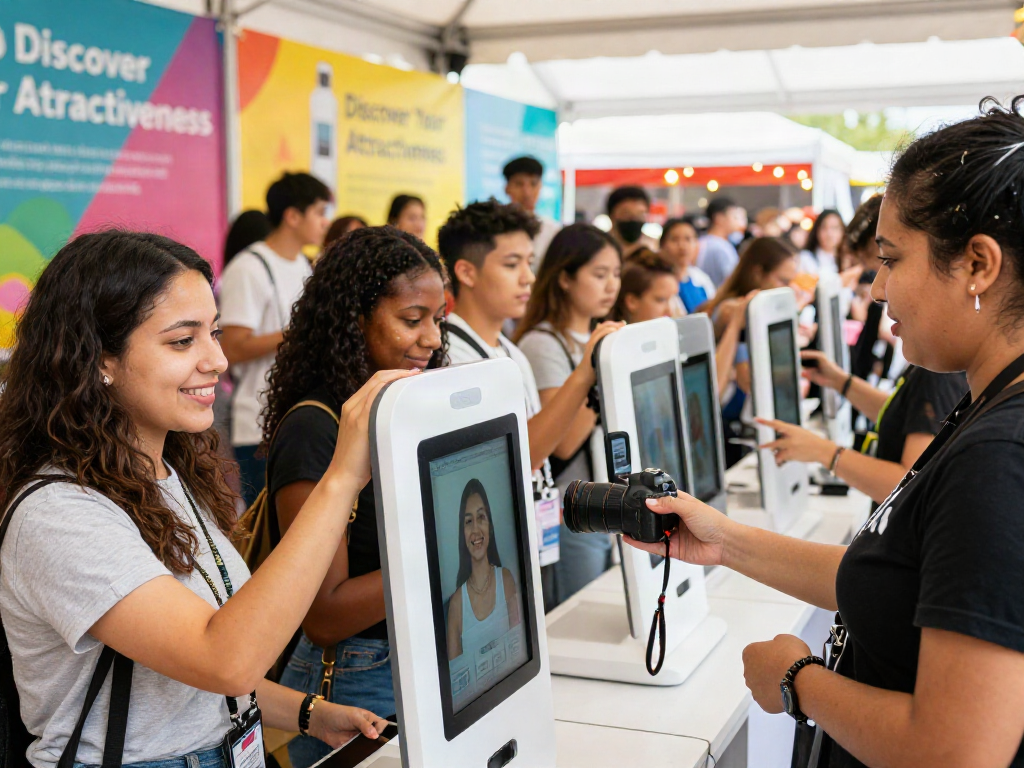
An attractive test typically assesses key features of an individual's face and computes a score based on a range of factors that are often linked to societal perceptions of beauty. The test usually requires the user to upload a photograph, which is then analyzed by AI algorithms that measure facial symmetry, contrast, and proportions. The primary outcome is a numerical score or category that indicates how attractive the individual’s face is perceived to be. Although such tests cannot fully encapsulate human beauty, they offer a fascinating glimpse into how others might perceive us.
The Role of AI in Beauty Assessment
AI technology has drastically transformed the beauty assessment landscape by providing tools that quantify features traditionally evaluated through subjective human judgment. By analyzing thousands of images and recognizing patterns, AI models can detect various facial characteristics such as the golden ratio, eye symmetry, and facial proportions. These measurements are then translated into a score that seeks to reflect societal beauty standards. This technology is continually evolving, enhancing its accuracy and applicability in personal grooming, dating apps, and even marketing strategies.
Key Metrics Used in Evaluation
Several critical metrics are employed in attractiveness tests to generate a comprehensive overview of an individual's facial structure. Some of the most significant metrics include:
- Facial Symmetry: The closer the facial features are in symmetry, the higher the attractiveness score.
- Golden Ratio Proportions: Features that align with the golden ratio (approximately 1:1.618) are often considered more attractive.
- Skin Quality: The clarity and texture of the skin, including blemishes and color tone, contribute to the overall aesthetic appeal.
- Facial Landmarks: AI models identify key facial landmarks, such as the distance between the eyes and the width of the mouth, to assess proportions.
How to Prepare for Your Attractive Test
Preparing for your attractiveness test can significantly impact the results you receive. Attention to detail in selecting your photograph and understanding the factors at play will enhance accuracy. To maximize your assessment, consider these essential steps:
Choosing the Right Photo for Assessment
Selecting an appropriate photo is crucial for obtaining a reliable attractiveness score. Aim for a high-resolution image where your face is clearly visible, ideally taken in natural light. Avoid extremes such as heavy makeup or filters that distort your natural appearance, as these can skew the evaluation. A straightforward headshot with a neutral expression will yield the best results.
Understanding Facial Symmetry and Proportions
To enhance your knowledge of beauty standards, familiarize yourself with the concepts of symmetry and proportion. Facial symmetry plays a pivotal role in the attractiveness score; thus, being aware of your unique features can provide insights into personal grooming or styling decisions. Use this knowledge not as a template for conformity but as a guide for highlighting your individuality.
Common Misconceptions About Beauty Standards
It’s essential to recognize that beauty standards can be fluid and subjective. While the attractive test aims to present an objective perspective, societal beauty norms are influenced by culture, trends, and personal preferences. Understanding that diversity exists in attractiveness can help mitigate any potential negative feelings stemming from test results.
Exploring the Results of Your Attractive Test
Once you have completed your attractiveness test, interpreting the results is the next step. This phase can offer valuable insights into your perceived attractiveness and areas for improvement.
Interpreting Your Attractiveness Score
Your score is often presented as a numerical value or tier classification, with higher scores indicating greater attractiveness. However, it is essential to approach these results with a balanced perspective. A score is merely a reflection of AI-based analysis and should not define your self-worth or how you perceive your beauty.
Personalized Feedback and Recommendations
Many attractiveness tests provide personalized feedback based on the results. This feedback often includes recommendations for enhancing your features, ranging from skincare tips to hairstyle suggestions. Utilize this information to boost your confidence and refine your personal style without rigidly adhering to the score.
How to Use Results for Self-Improvement
Regardless of the outcome, view the results as an opportunity for self-growth. If the test reveals certain areas of improvement, consider how you can embrace changes that resonate with your sense of self. Whether it's refreshing your makeup routine, adjusting your hairstyle, or adopting a new skincare regime, allow yourself the freedom to experiment and evolve.
Attractiveness Tests in Popular Culture
In the era of social media, attractiveness tests have gained immense traction, transforming how beauty is perceived and discussed. Let’s examine the cultural implications and trends surrounding these tests.
The Impact of Social Media on Perceptions of Beauty
Social media platforms have become breeding grounds for discussions on beauty and attractiveness, often amplifying unrealistic standards. The viral nature of these tests can contribute to societal pressure to conform to certain beauty ideals. As users frequently share their results, it fosters a culture of comparison that can impact mental health and self-esteem.
Celebrity Endorsements and Trends
Celebrity culture plays an influential role in shaping beauty standards. Public figures who undergo attractiveness tests often endorse specific products, procedures, or lifestyle choices that align with their high attractiveness scores. This can inadvertently reinforce the idea that beauty is primarily tied to external validation rather than individual uniqueness.
Case Studies of Viral Attractive Tests
Several online platforms have created viral tests that engage users by promising to reveal their attractiveness levels. These tests often employ humor or playful design elements to encourage participation. The nature of their virality raises questions about the psychological effects of sharing and discussing such personal results publicly.
The Future of Attractive Testing
As technology continues to advance, the future of attractiveness testing is likely to evolve, integrating more sophisticated AI capabilities and addressing ethical considerations.
Emerging Trends in AI and Beauty
Future developments in AI and beauty assessment may include deeper personalization, where algorithms can consider individual preferences and emotional factors in determining attractiveness. The integration of augmented reality (AR) may also enhance user experience, allowing for real-time changes to facial features.
Ethical Considerations in Beauty Assessments
The rise of attractiveness tests brings forth important ethical discussions. Are these tests promoting healthy self-perception or fostering unhealthy comparisons? It is vital for developers and users alike to consider the potential implications of relying on technology for beauty validation.
Predictions for the Industry in 2026
By 2026, we can expect the beauty industry and attractiveness testing to be more intertwined, with greater emphasis on inclusivity and the representation of diverse beauty standards. As AI technology continues to improve, there will be a push for tests that not only highlight traditional beauty metrics but also recognize individual uniqueness and charm.
What factors influence attractiveness scores?
Attractiveness scores can be influenced by numerous factors, including but not limited to facial structure, symmetry, skin quality, and cultural perceptions of beauty. Recognition of these factors underscores the complexity of beauty as a concept.
Are AI attractiveness tests accurate?
The accuracy of AI attractiveness tests varies based on the algorithms used and the data sets they are trained on. While they provide a general idea of perceived attractiveness, the subjective nature of beauty means that results should be taken with a grain of salt.
How can I improve my attractiveness score?
Improving your attractiveness score may involve focusing on skin health, maintaining good hygiene, and experimenting with styles that accentuate your features. However, it’s essential to prioritize personal comfort over conformity to test results.
What is the role of self-esteem in attractiveness?
Self-esteem plays a crucial role in how individuals perceive their beauty. Higher self-esteem often correlates with a positive self-image, which can enhance overall attractiveness beyond mere physical features.
Can attractiveness tests be harmful?
While attractiveness tests can be fun and engaging, they can also be potentially harmful if they foster negative self-image or contribute to anxiety about appearance. It's vital to approach these assessments as one of many tools for understanding oneself rather than as an absolute measure of worth.