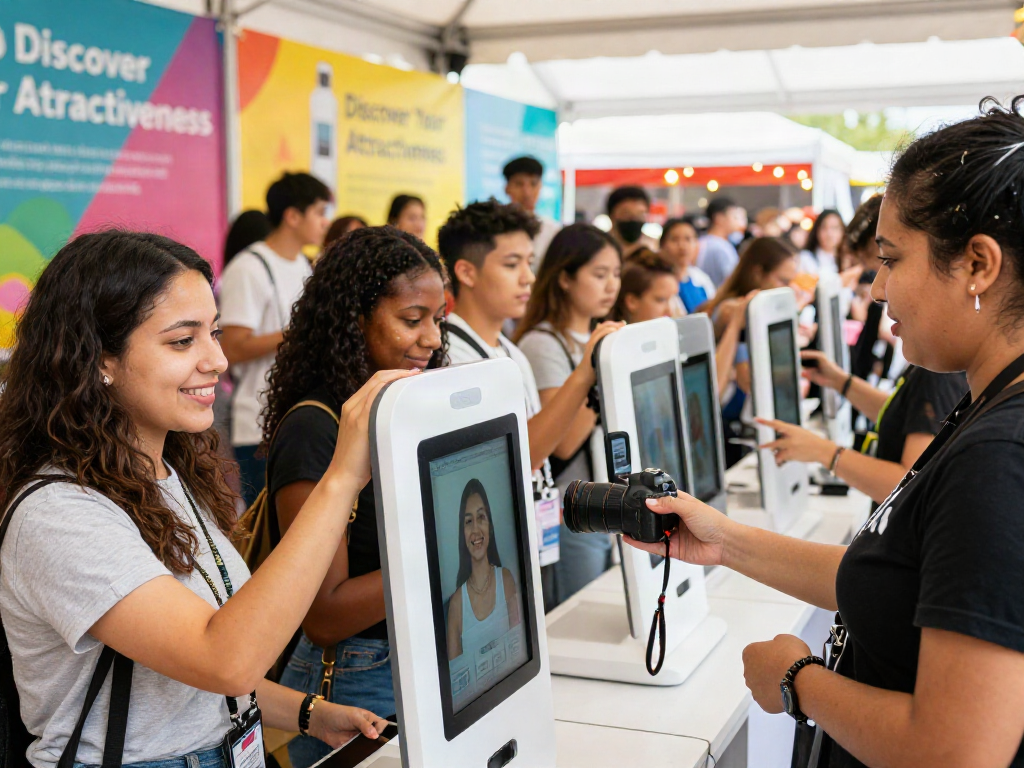
Understanding Facial Age Estimation Technology
As technology advances, so does our ability to analyze our appearance with incredible accuracy. One fascinating development in this field is facial age estimation, a process that utilizes artificial intelligence to determine how old someone appears based on their facial features. This not only caters to an innate curiosity many of us have about our looks but also serves various applications in fields ranging from beauty and wellness to social media. When exploring options, how old do i look provides comprehensive insights into these technologies and their implications.
What is Facial Age Estimation?
Facial age estimation is a technology that uses algorithms to analyze facial features, assessing characteristics such as skin texture, wrinkles, and pigmentation. These elements can reveal a lot about one’s perceived age, which may differ significantly from their chronological age. With the increasing integration of AI in daily life, these estimations can now be performed quickly and with surprising accuracy, offering users a modern way to gauge their appearance.
How Do Age Estimation Algorithms Work?
At the core of age estimation algorithms are complex machine learning models trained on vast datasets of human faces across different ages. These models learn to recognize patterns and features that correlate with age. For instance, variations in skin elasticity, the presence of fine lines, and changes in facial contours all serve as indicators. Once the model has been trained, users can upload images, and the algorithm processes the photo to provide an age estimate.
The Role of AI in Facial Analysis
Artificial intelligence significantly enhances the accuracy and efficiency of facial age estimation. By utilizing deep learning techniques, AI can continuously improve its predictions as it learns from new data. This adaptability means that as more people use these tools, the algorithms become better at inferring age from a wider variety of facial structures and ethnic backgrounds, consequently broadening their applicability across demographic groups.
Exploring the Popularity of Age Guessing Applications
The surge in interest surrounding age-estimating applications is evident from the numerous tools available online and as smartphone apps. People’s desire to know how old they look stems from various motivations such as self-assessment, vanity, or simply entertainment. The playful aspect of these tools, combined with their surprising accuracy, contributes to their widespread use.
Why Do People Want to Know How Old They Look?
Understanding one’s perceived age can provide insights into societal standards of beauty or personal health. For many, this curiosity extends beyond vanity; it serves as a tool for self-reflection. Knowing how others perceive your age can influence everything from styling choices to skincare routines.
Top Applications in the Market for Age Estimation
- FaceAge.ai: This AI-powered platform allows users to upload photos for a quick age estimation while ensuring privacy and security.
- Fotor: A user-friendly online tool that analyzes facial features to estimate age without any signup required.
- BeautyPlus: An app that offers instant age guessing while focusing on user privacy.
- The Face Age Calculator by Longevity Germany: Allows for quick estimations using both uploaded photos and live scans.
Real User Experiences and Feedback
User feedback on these applications is generally positive, with many users expressing surprise at how closely the estimated ages aligned with their actual ages. However, there are also mixed reviews regarding accuracy, with some users reporting significant discrepancies. This highlights the importance of understanding the limitations and variabilities inherent to face age estimation technologies.
How to Use Age Estimation Tools Effectively
Using age estimation tools might seem straightforward, but there are best practices to follow to get the most accurate results. Knowing how to navigate these tools can significantly improve your experience and outcomes.
Step-by-Step Guide to Uploading Photos
- Select a well-lit, clear image of your face.
- Ensure your face is unobstructed by objects like glasses or hats.
- Upload the image to the age estimation tool of your choice.
- Follow the prompts to receive your age estimate.
Interpreting Your Results: What They Mean
When you receive your age estimate, it’s essential to view the results with a degree of skepticism. These estimates are not absolute; they serve as a fun insight rather than a factual diagnosis. Many factors influence perceived age, including lighting, makeup, and even the angle of the photo.
Common Misconceptions About Age Estimation Accuracy
While many believe that these tools can give accurate, age-specific predictions, it is essential to recognize that various factors, including skin type, ethnicity, and lifestyle, can significantly affect results. Thus, while useful, they should not be taken as definitive statements about age.
Privacy Concerns with Online Age Estimators
As with any digital tool, privacy is a critical concern. Users must be cautious about sharing personal images and data when using age estimation apps.
Understanding Data Security in Age Guessing Apps
Most reputable applications prioritize user privacy by anonymizing data. However, users should critically examine privacy policies to understand how their data will be used and stored.
What to Look for in Privacy Policies
When reviewing the privacy policy of an age estimation tool, pay attention to:
- Data storage duration
- Whether data is shared with third parties
- Opt-out options for data collection
Best Practices for Safe Usage of Online Tools
To protect your privacy while enjoying these tools, consider using generic or altered images when uploading. Always ensure that the tool you choose guarantees data protection and has clear user policies.
The Future of Age Estimation Technology
As we look ahead, the advancements in age estimation technology hold exciting possibilities that can extend beyond mere curiosity.
Emerging Trends in AI and Facial Analytics
Future developments may include enhanced accuracy through broader data sets and improved algorithms that consider emotional cues and additional facial features. This could lead to applications in areas like marketing, personalized skincare, or even behavioral research.
Potential Applications Outside Age Estimation
Beyond estimating age, the technology could be repurposed for use in fields such as healthcare for monitoring skin conditions or even in law enforcement for identifying individuals from facial features.
Expert Predictions for 2026 and Beyond
Experts predict that as AI technology evolves, we might see even greater integration of facial analysis in everyday applications, making them more accessible and reliable. This could revolutionize how we approach personal grooming, health assessments, and social interactions.
What are the most popular tools for finding out how old I look?
Several tools have gained prominence, such as FaceAge.ai and BeautyPlus. These platforms allow users to upload selfies and provide instant feedback on their perceived age based on advanced algorithms.
Are online age estimators accurate?
While many users report fairly accurate results, various factors such as photo quality and individual differences can affect the precision of estimates, making it essential to take results with a grain of salt.
How can I improve the results from age estimating tools?
To improve the accuracy of your results, ensure that the photo you upload is clear, well-lit, and shows your face without obstructions. Proper framing and expression can also enhance the algorithm's ability to analyze your features.
Is my personal data safe when using these apps?
Most reputable apps focus on user privacy, but it is crucial to review their privacy policies and consider using anonymized images to safeguard your data.
What advancements can we expect in facial recognition technology?
We can anticipate substantial advancements in AI and machine learning that will improve the accuracy and applications of facial recognition technology, possibly shaping a future where these tools play a significant role in various industries.